

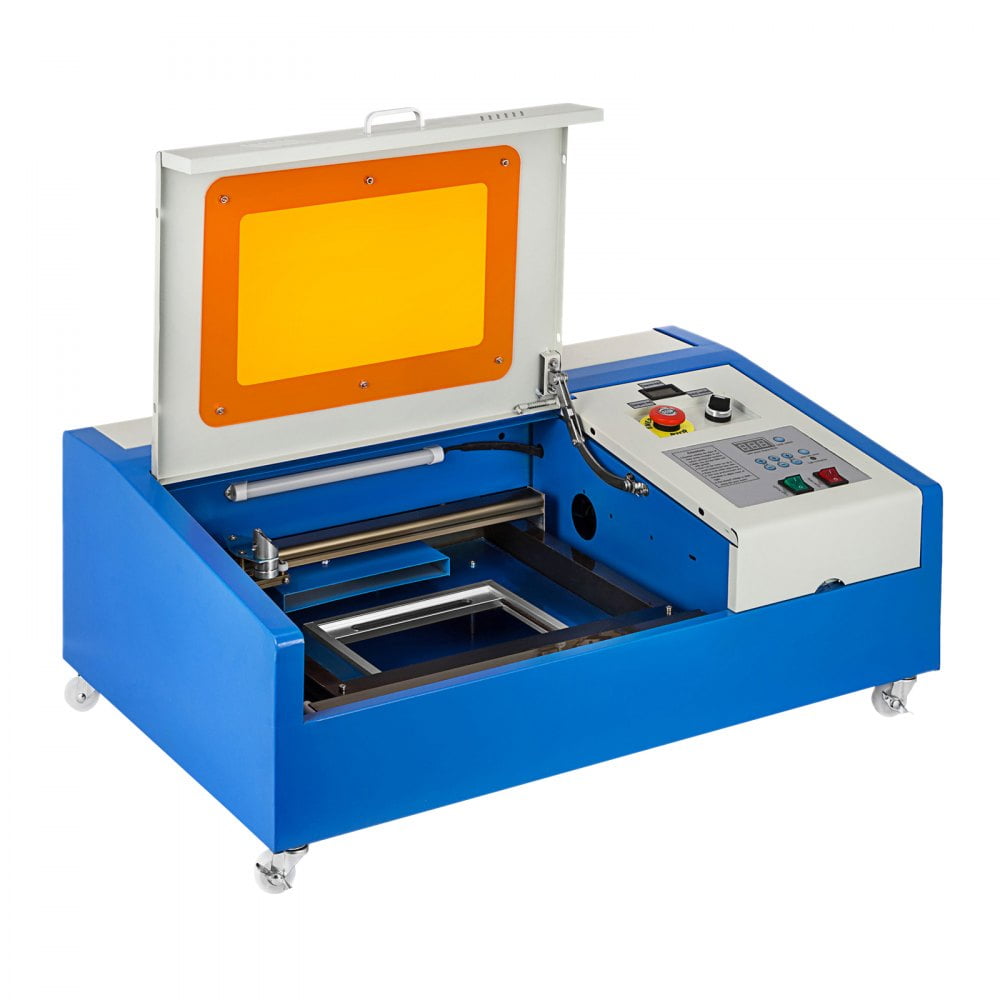
A laser engraving machine is a versatile tool used to mark or engrave various materials with precision and detail. It utilizes a high-powered laser beam to remove material from the surface of an object, leaving a permanent mark or design. These machines are commonly used in industries such as manufacturing, jewelry, woodworking, and signage, as well as for personal and artistic purposes.

Key Components
- Laser Source: The heart of the machine, the laser source emits a focused and powerful laser beam.
- Galvanometer or XY Stage: This system moves the laser beam across the material’s surface in the desired pattern. It allows for precise control and high-speed engraving.
- Controller: The controller is the brain of the machine, responsible for interpreting the design data and coordinating the movements of the laser beam.
- Focal Lens: The focal lens focuses the laser beam to a specific point, determining the engraving depth and sharpness.
Types of Laser Engraving Machines
- CO2 Laser Engravers: These machines use a carbon dioxide laser to engrave non-metallic materials like wood, acrylic, leather, glass, and certain plastics. They are popular for their versatility and affordability.
- Fiber Laser Engravers: These machines use fiber lasers to engrave metal and some non-metallic materials. They are known for their high precision and speed when working on metals.
- Diode-Pumped Solid-State (DPSS) Laser Engravers: DPSS lasers are a subset of solid-state lasers and are commonly used for fine engraving on metals, plastics, and ceramics.
Applications
- Personalization: Laser engraving is widely used to add names, initials, or messages on various personal items like phone cases, jewelry, and gifts.
- Industrial Marking: Laser engravers are used to mark serial numbers, barcodes, logos, and other essential information on industrial products and components.
- Signage and Displays: Laser engraving is employed to create intricate designs and lettering on signs, awards, and displays.
- Artistic Creations: Artists and designers use laser engraving machines to create intricate artwork on various materials, pushing the boundaries of creativity.
Safety Precautions
Laser engraving involves the use of high-powered lasers and must be handled with care. Safety goggles, proper ventilation, and adherence to machine guidelines are crucial to prevent accidents and protect operators from laser radiation.
Considerations for Choosing a Laser Engraving Machine
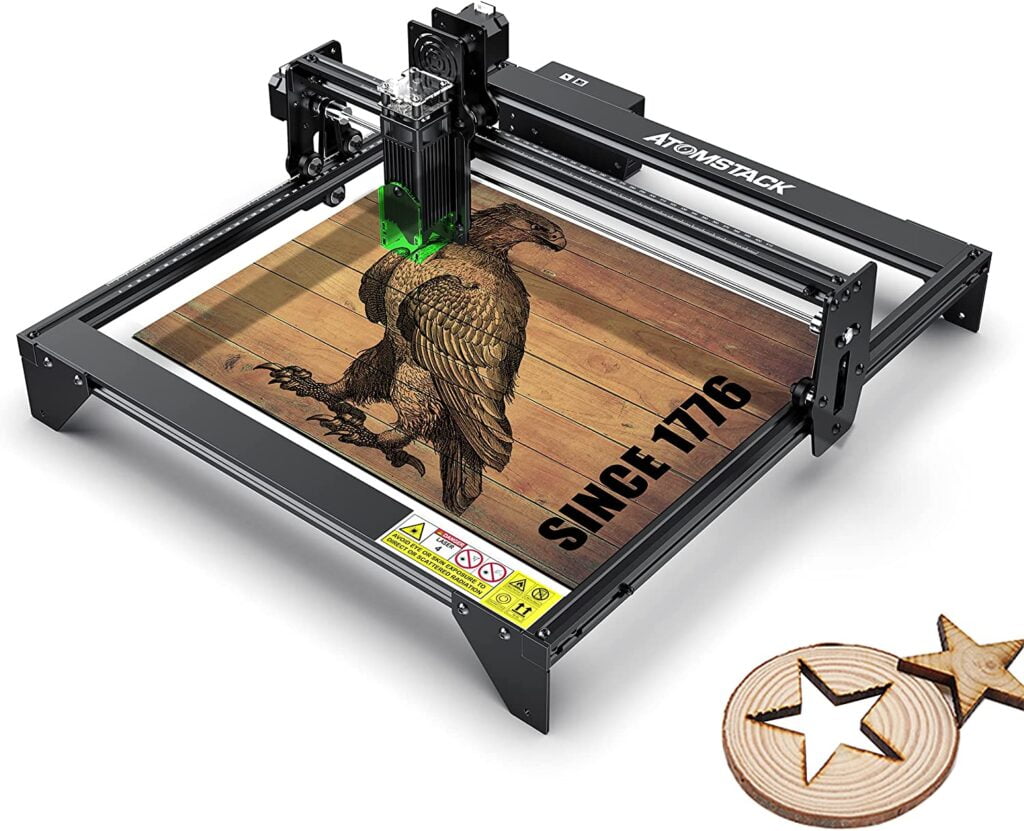
- Power and Wattage: The power of the laser source is a critical factor that determines the engraving speed and the types of materials the machine can work with.
- Workspace and Bed Size: The size of the engraving area, often referred to as the workspace or bed size, dictates the maximum dimensions of the objects you can engrave.
- Software Compatibility: Ensure that the laser engraving machine is compatible with design software you’re familiar with or prefer using.
- Cooling and Ventilation: Laser engraving generates heat and potentially hazardous fumes, especially when working with certain materials.
- Maintenance and Support: Choose a machine from a reputable manufacturer that offers reliable customer support and readily available spare parts.
- Budget: Determine your budget and choose a machine that meets your requirements without compromising on safety and quality.
- Training and Skill Level: Ensure that you and your operators receive adequate training to maximize the machine’s potential and operate it safely.
Conclusion
Investing in a high-quality laser engraving machine will not only enhance your productivity but also open up a world of creative possibilities for your business or personal projects. Always follow proper safety procedures and guidelines while using the laser engraving machine to ensure a safe and successful engraving experience.
0 Comments